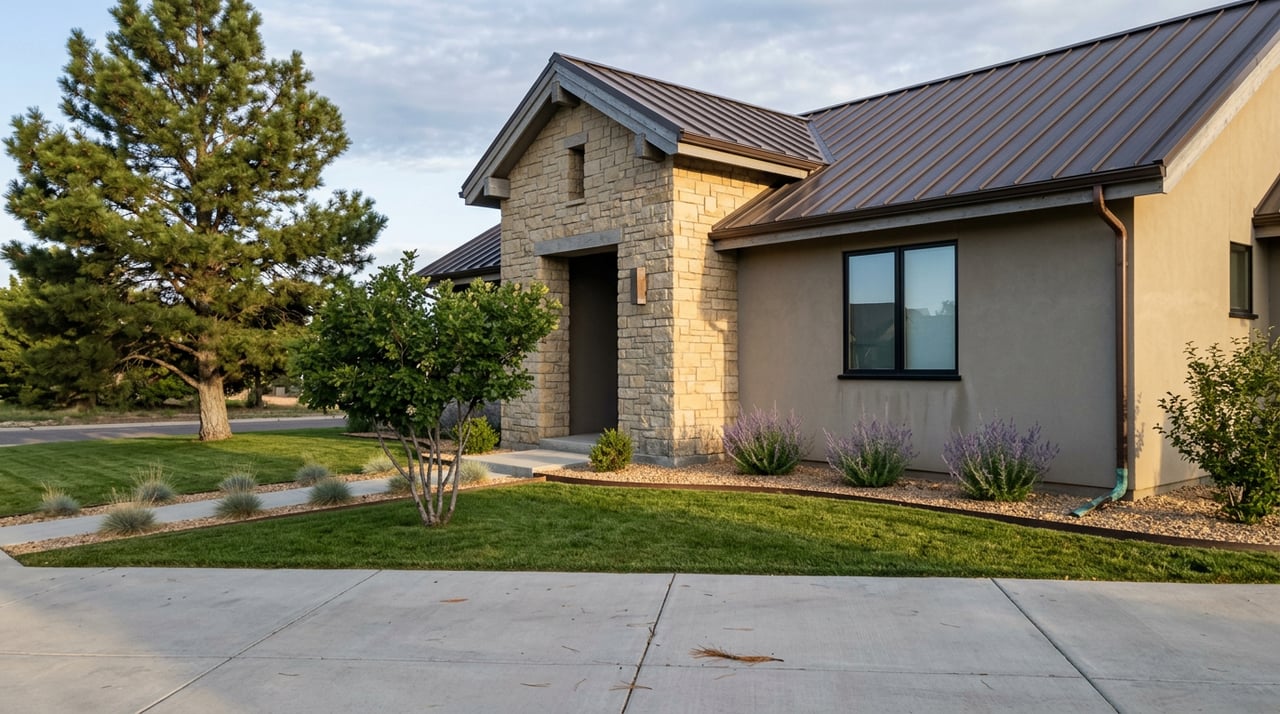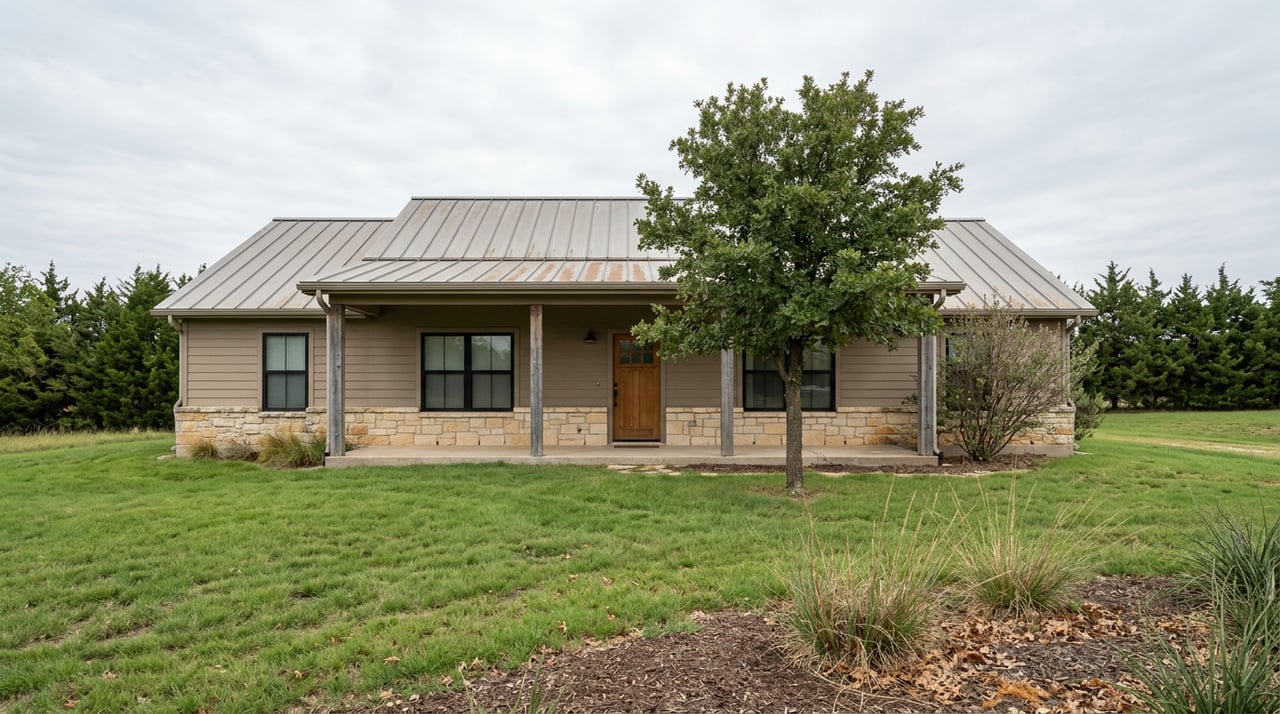
Two listings land in your inbox on the same afternoon. Both say "Briargate." Both list a monthly HOA fee within ten dollars of each other. Both look, on paper, like the same decision with a different floor plan.
Then the closing disclosure arrives on one of them with a property tax line that's several hundred dollars higher than the other, and nobody mentioned it during the showing. This isn't a pricing error. It's a financing structure baked into the dirt before either house was framed, and it only shows up once you know where to look.
The Fee That Doesn't Show Up on the HOA Line
Briargate isn't one neighborhood with one set of rules. It's a collection of subdivisions built across five decades, and the way each one pays for its roads, parks, and irrigation depends on when and how it was developed. Older sections built the infrastructure first and folded the cost into the original home price. Newer sections often use a different tool: a metropolitan district.
A metro district is a special taxing entity that lets a developer borrow money to build the roads, water lines, and stormwater systems before a single house is sold. The district repays that debt over time through a property tax mill levy charged to the homeowners who move in later. That charge shows up on your property tax bill, not your HOA statement, which is exactly why it's easy to miss during a walkthrough.
The distinction matters because a metro district assessment and an HOA due fund different things and answer to different people. In several north Colorado Springs master-planned communities, the metro district covers water, wastewater, stormwater, and street infrastructure, while the HOA separately handles trash pickup, common-area landscaping, and recreation programming. You can be current on your HOA dues and still be paying off a twenty-year infrastructure bond through your tax bill without ever seeing the two connected on a single document.
Same Umbrella, Different Rulebooks
Within the Briargate footprint, the governance structure changes block by block.
Cordera runs on a comparatively simple model. Its most recently published assessment, from 2025, sits at $123 a month and covers common-area maintenance, snow removal on shared property, weekly trash and recycling, insurance on common property, reserve funding, and operation of the community center. One fee, one association, one number to plan around.
Wolf Ranch works differently depending on which phase you're in. HOA dues there fund the recreation center, pool, trails, and common-area upkeep, but some sections also carry a metro district tax on top, which means the true monthly cost can shift from one street to the next inside the same community. A buyer comparing two Wolf Ranch listings can't assume the HOA fee tells the whole story just because both homes carry the same association name.
Original, established Briargate is its own category entirely. Some of the older subdivisions built in the 1980s and 1990s predate the metro district era altogether, and it's not unusual to find a listing in that part of the neighborhood with no HOA at all. That's a real trade: less shared amenity infrastructure, but also one less recurring bill and no bond debt riding along with the deed.
| Community | Governance | What the fee actually funds |
|---|---|---|
| Original/established Briargate | Often HOA-only, some sections have no HOA | Varies; older subdivisions may carry no shared assessment |
| Cordera | Single HOA, no added metro layer | Common-area maintenance, trash, insurance, reserves, community center (2025 assessment: $123/month) |
| Wolf Ranch | HOA plus metro district in some phases | HOA funds rec center, pool, trails; metro district (where present) funds infrastructure and can vary by section |
The same split shows up outside Briargate proper in comparable north-side communities. In Flying Horse, the metropolitan districts collect property tax to repay infrastructure debt while the HOA handles trash and recycling as a separate charge. Meridian Ranch takes it a step further, with the HOA and its design review committee run independently from the metro district, which itself funds water, wastewater, stormwater, streetlights, and park and recreation services. None of this is unique to one builder or one subdivision. It's a financing pattern that repeats across the newer master-planned side of Colorado Springs, and Briargate's mix of old and new sections puts a buyer face to face with both versions of it in the same zip code.
Why Builders Reach for This Tool
None of this is a red flag on its own. It's an incentive structure, and once you see it, the pricing on new construction starts to make more sense.
Building roads, water lines, and stormwater systems before a single lot sells costs real money, and a developer has two ways to recover it. Fold it into the sale price of the first homes, which makes the community less competitive against neighboring subdivisions on day one. Or borrow it through a metro district and let the debt service ride along on the property tax bill of everyone who buys in over the following fifteen or twenty years. The second option keeps the initial price tag lower and the sales pace faster, which is why it's become the standard financing tool for new master-planned growth in this part of El Paso County.
That's a rational choice for a builder. It just means the sticker price and the true carrying cost are two different numbers, and only one of them shows up in the listing photos.
What to Actually Ask Before You Fall for the Floor Plan
A lower HOA fee doesn't guarantee a lower monthly payment, and a home with no HOA at all isn't automatically the cheaper long-term hold. The only way to know which is which is to ask before you write an offer, not after you're under contract.
- Ask whether the specific parcel sits inside a metropolitan district, not just whether the neighborhood has one somewhere in it. Coverage can change block by block within the same subdivision.
- Request the district's current mill levy and how many years remain on the bond it's repaying. A district in year three of a twenty-year bond behaves very differently from one in year eighteen.
- Ask for the HOA's current dues, what they cover, and whether a special assessment has been discussed recently. Reserve funding levels matter more than the monthly number.
- Have your lender run a full estimated tax bill using the actual parcel, not a neighborhood average. Two addresses a quarter mile apart can carry different totals.
- If you're comparing an older Briargate home with no HOA against a newer section with both an HOA and a metro district, price out both scenarios over a five-year hold, not just the first month.
A lower price and a lower monthly payment are not always the same promise.
FAQ
Does every home in Cordera or Wolf Ranch carry a metro district tax? No. Coverage varies by phase and by section, even within the same named community. Confirm it for the specific parcel rather than assuming based on the neighborhood name.
Does an older, established Briargate address guarantee there's no HOA? Not automatically, but it's common enough that you shouldn't assume the opposite either. Some original Briargate subdivisions have no HOA, others do. Check the specific property.
Where do I actually find out if a metro district applies to a property? Your title company's preliminary report and the closing disclosure will both show it, and a good buyer's agent can pull the district information before you ever write an offer, not after.
Comparing homes across Briargate's older and newer sections means comparing two different financing philosophies, not just two floor plans. If you're weighing a move here and want the real monthly number before you fall for a house, reach out to Susan Sedoryk and let's get you a clear picture of what each option actually costs to own.