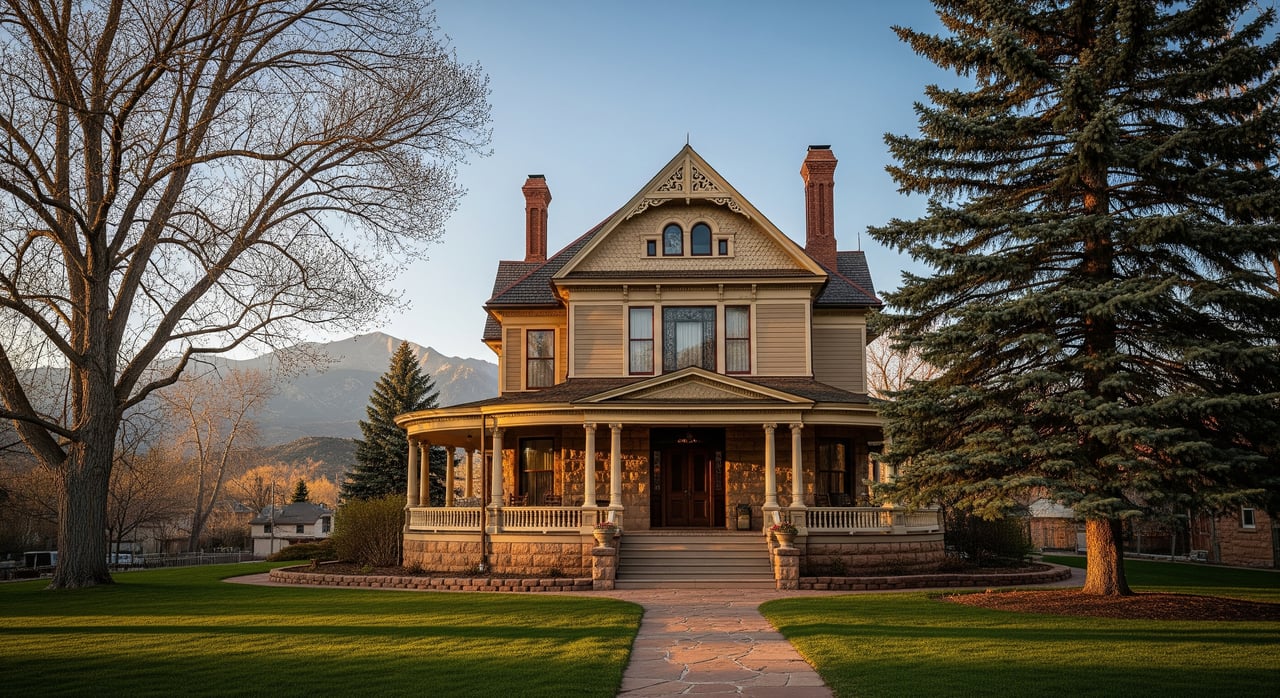
Love the character of older homes but not sure how to tell a true Victorian from a Craftsman or a Mediterranean? If you are looking at the Old North End in Colorado Springs, you are in the right place. This neighborhood is rich with history, architectural variety, and details that can influence both daily living and long-term costs. In this guide, you will learn how to spot the main styles, what their floorplans feel like, and the preservation and maintenance considerations that matter for your budget and plans. Let’s dive in.
Old North End snapshot
The Old North End grew from the late 1800s through the early 20th century and sits just north of downtown Colorado Springs. You will find tree-lined streets, prominent single-family homes, and modest bungalows, along with parks and mature landscaping. The neighborhood’s historic fabric is largely intact, which is a key part of its appeal.
Some areas fall under local historic district rules or carry individual historic designations. If a property sits within a designated district, exterior changes can require review by the city’s historic preservation office or a neighborhood design body. Before you assume you can alter windows, siding, or add an addition, confirm rules with City of Colorado Springs Historic Preservation staff and review any neighborhood covenants.
Victorian style guide
Victorians in the Old North End date from the late 1800s into the early 1900s. Higher-style examples often reflect the prosperity of early civic leaders and regional industry.
Exterior clues
- Asymmetrical forms with steep, often complex rooflines, sometimes including towers or turrets.
- Decorative wood trim like brackets, spindlework, patterned shingles, and wrap-around porches.
- Wood clapboard or shingle siding and tall, narrow windows. Stained-glass or leaded transoms appear in higher-end homes.
Inside the floorplan
- Compartmentalized rooms that separate a formal front parlor, dining room, and sometimes a library or study.
- Back-of-house service areas and, in some cases, two staircases. High ceilings and substantial millwork are common.
- Bedrooms are typically upstairs, and attics may be finished.
What to check on a tour
- Exterior woodwork: Ornate trim and porches often need regular paint and rot repair.
- Windows: Historic windows are character-defining. In a designated district, replacements might be reviewed, and original sash can add value when maintained.
- Systems: Many have been upgraded over time. Ask about electrical, plumbing, HVAC, and past permits.
Craftsman and bungalow basics
Craftsman and bungalow homes rose between roughly 1905 and the 1930s, peaking in the 1920s. They emphasize craftsmanship, natural materials, and livable floorplans.
Exterior clues
- Low-pitched gabled roofs with wide eaves, exposed rafters, and decorative brackets.
- Prominent front porches with tapered or square columns, often on stone or brick piers.
- Multi-pane upper window sash over a single lower sash.
Inside the floorplan
- More open flow than Victorians. Living room often opens to dining room, sometimes with boxed beams or built-in bookcases.
- Built-ins, window seats, and a central fireplace as a focal point.
- Usually one to one-and-a-half stories with two to three bedrooms and one original bath, with many later updates.
What to check on a tour
- Built-ins and millwork: These are high-value features. Preservation is a plus for long-term value.
- Roof and porch structure: Snow and freeze-thaw can stress framing and finishes.
- Energy upgrades: Look for attic insulation, weather-stripping, and sensitive window solutions that retain original character.
Mediterranean and Spanish Revival
Mediterranean-influenced homes appeared from the mid-1910s through the 1930s, gaining popularity in the 1920s and 1930s. Their warmth and stucco finishes set them apart.
Exterior clues
- Stucco walls and low-pitched red clay tile or simulated-tile roofs.
- Arched openings, decorative wrought iron, and sometimes small courtyards or loggias.
Inside the floorplan
- One to two stories with an emphasis on indoor-outdoor connections.
- Plaster finishes, arched interior openings, and decorative tilework around fireplaces or floors.
- Smaller window openings than many Victorians, with thicker walls.
What to check on a tour
- Stucco: Hairline cracks can result from settlement or freeze-thaw cycles. Matching repairs help weatherproofing and appearance.
- Tile roofs: Durable yet heavy. Verify structural support, underlayment, and replacement tile availability.
- Moisture management: Gutters, grading, and roof drainage details matter in a freeze-thaw climate.
Preservation rules and reviews
If the home is in a historic district or has individual designation, exterior work like siding, windows, porches, additions, or demolition can trigger review. Many communities use the Secretary of the Interior’s Standards for Rehabilitation as a guiding framework to preserve character while allowing updates. These federal standards are required when federal funding or credits are involved, and they are a helpful reference even when not mandatory.
Incentives and limits
Federal rehabilitation tax credits focus on income-producing properties, not most single-family primary residences. Some states or cities may offer incentives like abatements or small grants, but eligibility varies. Check with History Colorado, the State Historic Preservation Office, and the City of Colorado Springs planning and historic preservation staff to confirm what applies. For practical how-tos and preservation tips, the National Trust for Historic Preservation and History Colorado offer accessible guidance.
Renovation best practices
- Repair first: Retain original windows, siding, and millwork when feasible. It preserves character and often value.
- Replace in kind: If replacement is needed, select materials and designs that are visually compatible with the original.
- Energy upgrades that respect fabric: Combine weather-stripping, storm windows, and attic or basement insulation with minimal impact to historic materials.
- Document before work: Photos and measured drawings help with permitting and future resale.
For a standards-based approach, use the Secretary of the Interior’s Standards as a planning reference, even for projects that do not require formal review.
Costs, value, and trade-offs
Style influences both upkeep and long-term appeal in the Old North End. Understanding where the costs show up helps you plan.
Value drivers
- Authentic features like intact millwork, original staircases, porches, built-ins, and mature landscaping.
- Proximity to downtown amenities, parks, and schools increases neighborhood desirability.
Cost drivers
- Victorians: Larger scale, intricate trim, complex roofs, and multiple chimneys tend to increase maintenance.
- Craftsman bungalows: Often less expensive per square foot than large Victorians, yet porches, woodwork, and older heating systems still require care.
- Mediterranean: Stucco repairs and clay tile roofs are specialized and can be costly to match or replace.
Smart trade-offs
- If you value authenticity, expect higher maintenance and more careful renovations to preserve original fabric.
- If you prefer lower maintenance, look for homes that already have sensitive system upgrades and preserved character.
Showing and inspection checklist
- Ask for documented updates and permits for roof, foundation, electrical service and wiring, HVAC, plumbing, and any window changes.
- Request a property history that notes the original construction date, additions or alterations, and any preservation restrictions.
- Order a full home inspection that covers structure, roof, moisture and drainage, chimneys, electrical, plumbing, and HVAC.
- Consider tests for lead-based paint and asbestos if you are planning renovations in a pre-1978 home.
- Add specialty inspections as needed, such as a structural engineer for significant additions or a preservation-minded contractor.
- For energy performance, request recent utility bills and service records.
Next steps
- Confirm whether the property sits in a local historic overlay and what exterior work requires review. Contact City of Colorado Springs Historic Preservation staff with questions.
- Walk multiple examples across styles to compare floorplans, natural light, and how past upgrades change livability and costs.
- If you plan to renovate, consult a contractor with historic home experience and align plans with the Secretary of the Interior’s Standards.
- Explore guidance and potential state-level programs through History Colorado, and practical resources from the National Trust for Historic Preservation.
If you are weighing a Victorian parlor, a Craftsman with perfect built-ins, or a sunlit Mediterranean courtyard, you deserve both clarity and confidence. For private showings, permit guidance, and preservation-minded strategy in the Old North End, connect with Susan Sedoryk for boutique, data-informed representation.
FAQs
What defines a Victorian home in the Old North End?
- Look for asymmetrical massing, steep rooflines, ornate wood trim, wrap-around porches, and compartmentalized interiors with high ceilings and formal rooms.
Are there rules for replacing windows in historic districts?
- Yes. If the home is designated or within a district, exterior changes like window replacements can require review, so confirm requirements with city historic preservation staff.
How durable are clay tile roofs on Mediterranean homes here?
- Clay tile is durable, but it is heavy and relies on sound underlayment and structure; replacement tiles and repairs can be specialized and more costly.
Do single-family owners qualify for federal historic tax credits?
- Federal rehabilitation tax credits generally apply to income-producing properties, not most single-family primary residences; verify eligibility before planning on incentives.
What should I ask before making an offer on a historic home?
- Request documented system updates and permits, review any preservation restrictions, order a full inspection with moisture and structural checks, and assess hazardous materials if renovating.