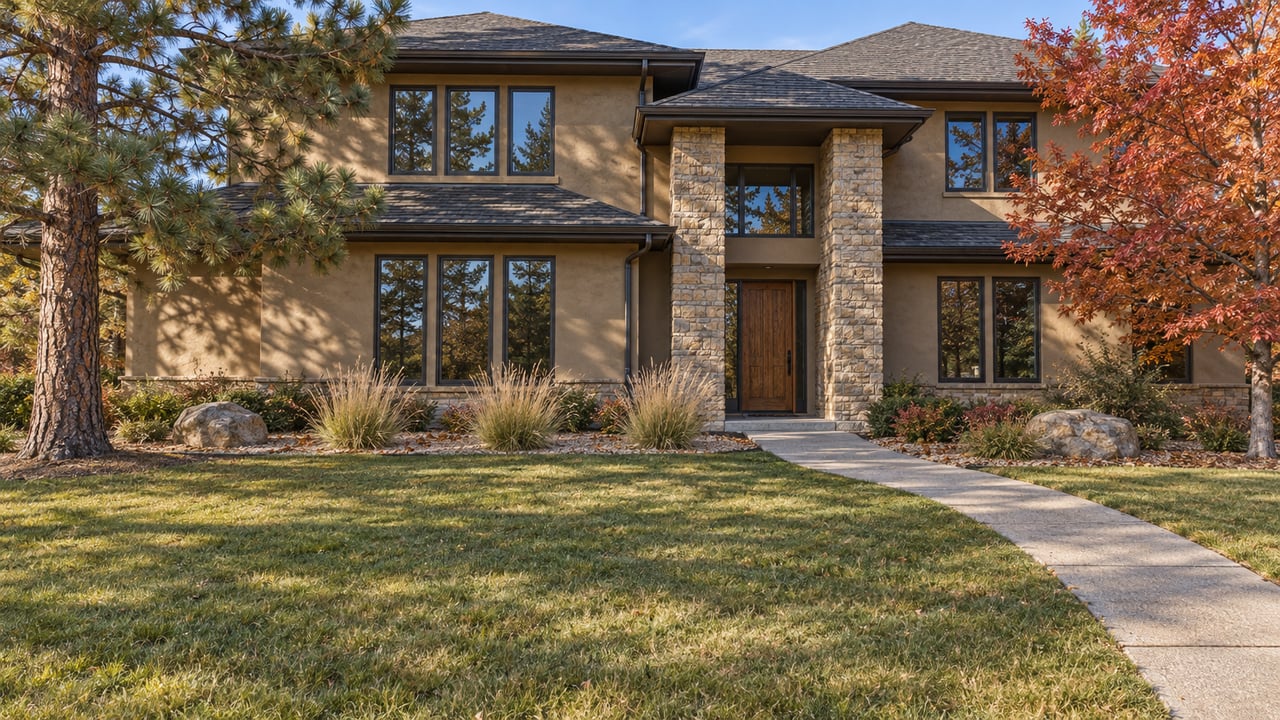
You have probably heard the term “master-planned community,” but what does it actually mean when you are comparing homes in Briargate? If you are weighing commute, schools, parks, and HOA rules, the list can feel long. This guide breaks down how master-planned design shapes daily life, what to expect from HOAs, and how these factors influence resale in northern Colorado Springs. Let’s dive in.
Master-planned community basics
A master-planned community is a residential area designed under a coordinated plan rather than built parcel by parcel. You will see a mix of housing types, integrated parks and trails, and retail or service nodes placed where residents can access daily needs. The goal is a predictable land use mix, connected mobility, and consistent design standards that help preserve community character.
Most of these communities include open-space corridors, neighborhood parks, and multi-use trail networks linking homes to schools and retail. Streetscape and landscaping standards, plus buffers along arterial roads, shape the look and feel. Governance is set by recorded CC&Rs enforced by a homeowners association, often with an architectural review committee that approves exterior changes.
Briargate patterns to expect
Briargate spans multiple subdivisions developed over several decades. You will notice trail connections, pocket parks, and retail centers clustered along major arterials. Many subdivisions place elementary and middle schools within or near neighborhoods, which is a common draw for households who value short trips to daily activities.
Amenities vary by subdivision. Older areas may have fewer formal amenities and lower dues. Newer areas can include more built features, such as clubhouses or pools, which often means higher dues and tighter design controls. Expect neighborhood-level differences, so verify details for the specific subdivision you are considering.
How HOAs work here
HOAs operate and maintain common amenities, landscaping in shared areas, and sometimes snow clearing for common pathways. They collect dues, enforce CC&Rs, and oversee architectural review. Fee levels vary based on amenity intensity and maintenance responsibilities.
Rules commonly cover exterior paint and renovation approvals, fencing and landscaping, RV or boat parking, pet rules, leasing limits, nuisance and noise standards, and short-term rental policies. Well-run associations budget for long-term repairs and maintain reserves. Underfunded associations may levy special assessments, so it pays to read the documents closely.
Documents to review before you offer
- CC&Rs, bylaws, rules and regulations, and recent meeting minutes
- Current budget, most recent financials, and any reserve study
- Dues schedule and a written list of what the HOA maintains
- Insurance summary showing what the HOA covers vs. you
- Notices of planned or recent special assessments and the reason
- Any rental or short-term rental restrictions
Questions to ask the HOA or manager
- What amenities are included in dues, and who maintains them?
- How often does the ARC meet, and what is the typical approval timeline?
- Are there any capital projects planned in the next 3 to 5 years?
- What is the enforcement process for violations, and how are fines handled?
- Are there any ongoing disputes or litigation affecting owners?
Daily life: benefits and tradeoffs
Benefits you will notice
- Convenience: Retail, services, and schools are planned near neighborhoods, which can cut drive time for errands and activities.
- Care and consistency: Maintained common areas and design standards support curb appeal and reduce homeowner workload in shared spaces.
- Amenities and connection: Pools, playgrounds, sports courts, and clubhouses support neighborhood events and day-to-day recreation.
- Trail access: Linked trail networks make it easier to walk or bike to parks and nearby destinations.
Tradeoffs to weigh
- Monthly dues: HOA fees affect affordability and can rise over time.
- Use restrictions: CC&Rs may limit exterior changes, vehicle storage, pets, or short-term rentals.
- Enforcement style: Strict or inconsistent enforcement can affect your experience.
- Proximity to retail: Living near a shopping node adds convenience but can bring traffic and noise at peak times.
- Design uniformity: Standards create cohesion, though some buyers prefer more architectural variety.
Resale and long-term value
In Briargate, planned neighborhoods with accessible amenities and maintained common areas often draw steady interest from households comparing northern Colorado Springs options. That demand can support pricing, but buyers will weigh carrying costs and rules against the value of amenities and location.
When thinking ahead to resale, focus on neighborhood-specific details rather than broad averages. Highlight practical advantages clearly in your listing plan or due diligence.
- Marketability wins:
- Trail and park access in walking minutes or blocks
- What your dues include vs. optional pay-to-play amenities
- Any recent capital improvements by the HOA
- Transparent, reasonable architectural review timelines
- Risk flags to investigate:
- Low reserves or a history of special assessments
- HOA litigation or public disputes
- Aging common-area infrastructure without a maintenance plan
Compare Briargate options like a pro
- HOA dues vs. coverage: Landscaping, snow removal, pool or clubhouse, private roads
- School boundaries: Verify the schools that serve the property and transportation options
- Commute profile: Distance to your work or base and typical travel times
- Lot and yard style: Lower-maintenance lots vs. larger yards
- Trail and pedestrian links: Direct paths to parks, schools, or neighborhood retail
Quick buyer checklist
- Walk or drive the area at different times, including peak retail hours
- Pull CC&Rs, rules, budget, financials, reserve study, and meeting minutes
- Confirm dues, what is maintained, and who insures what
- Ask about planned projects, special assessments, and enforcement practices
- Verify school boundaries and proximity to trails and parks
- Measure commute times to your key destinations
- If remodeling, ask about ARC timelines and typical requirements
- If renting, confirm leasing and short-term rental rules in writing
Work with a local advisor
Every Briargate subdivision has its own governance style, amenity mix, and market profile. If you want a clear read on HOA health, due diligence tips, and how specific neighborhoods align with your goals, connect with a local expert who knows the patterns on the ground. For a personalized plan and neighborhood-by-neighborhood guidance, reach out to Susan Sedoryk.
FAQs
What is a master-planned community in Colorado Springs?
- It is a coordinated residential area with integrated housing, parks, trails, and retail nodes, guided by CC&Rs and an HOA that maintains common spaces and enforces design standards.
How do HOA dues work in Briargate neighborhoods?
- Dues fund common-area maintenance, amenity operations, insurance for shared structures, and reserves; amounts vary by amenity level and maintenance responsibilities.
What HOA documents should I review before buying in Briargate?
- Obtain CC&Rs, bylaws, rules, recent minutes, budget, financials, any reserve study, insurance summary, and details on assessments or planned projects.
Will HOA rules limit remodeling or parking an RV at my home?
- Many CC&Rs require ARC approval for exterior work and restrict RV or boat parking; review the rules and approval timelines before committing to plans.
How do parks and trails typically connect in Briargate?
- Multi-use trails often link neighborhoods to pocket parks, larger parks, and nearby schools, making it easier to walk or bike to daily destinations.
How do master-planned amenities affect resale value?
- Well-maintained amenities and cohesive streetscapes can support demand, while higher dues, strict rules, or underfunded reserves may narrow the buyer pool or add risk.