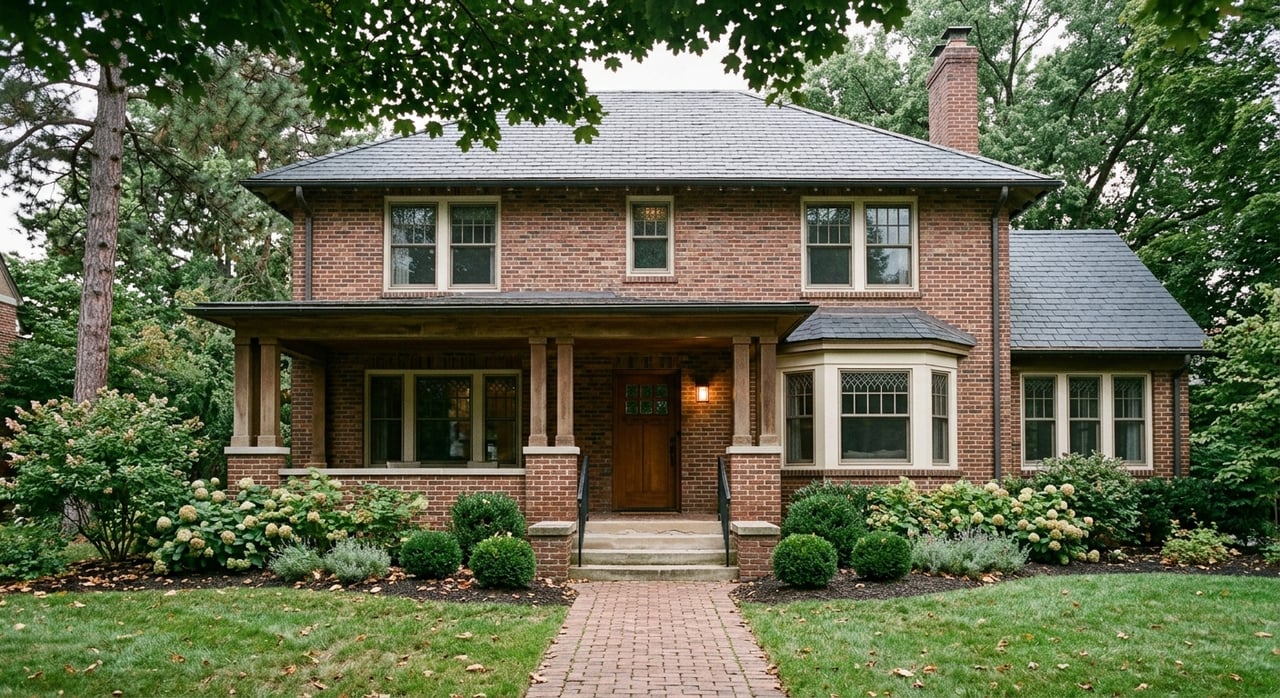
Buying a historic home can feel exciting and a little intimidating at the same time. If you are drawn to the character, architecture, and tree-lined streets of the Old North End, you are not alone, but you also want to go in with clear eyes. This guide will help you understand what makes these homes special, what questions to ask before you buy, and how to plan for ownership with confidence. Let’s dive in.
Why Old North End Stands Out
The Old North End is a largely residential historic area about one mile north of downtown Colorado Springs. According to the Old North End National Register nomination, it is a highly intact district with homes dating from 1885 to 1965.
You will find a broad mix of architectural styles here, including Queen Anne, Colonial Revival, Craftsman, Spanish Colonial Revival, and Ranch. The area is also known for its grid street pattern, landscaped center medians, mature tree canopy, and westward mountain views, all of which help define its character.
For many buyers, that appeal is exactly the point. You are not just buying square footage. You are buying into a setting with established design patterns, original materials, and a strong sense of place.
Verify The Exact Parcel First
One of the most important things to understand is that not every Old North End address is treated the same way. The Old North End Neighborhood association explains that the neighborhood boundary is broader than the historic district boundary, and it is a voluntary neighborhood association, not an HOA.
That means a home can be in the broader Old North End area without being subject to the same historic review standards as another nearby property. Some parcels may be within the Old North End National Register Historic District, while others may fall within a different district or outside the overlay review area entirely.
Before you make an offer, ask a very specific question: Is this exact parcel inside the Historic Preservation Overlay, or only inside the Old North End neighborhood boundary? That answer can shape your renovation plans, your timeline, and your budget.
Understand Historic Review Rules
If a property is in the Historic Preservation Overlay zone, certain exterior improvements that require a Regional Building permit must go through Historic Preservation Board review before the permit is issued. The city reviews design, not use, and it relies on local district standards and the Secretary of the Interior standards.
In practical terms, this matters if you are thinking about changing windows, altering a porch, replacing siding, adding onto the home, or making major roof changes. Historic review is not a one-size-fits-all process, and the standards recognize different subareas with different lot patterns, setbacks, and building forms.
That is why broad assumptions can get expensive. Instead of asking whether a home is simply "historic," ask what the parcel designation allows and whether any planned work would trigger review.
Exterior Changes To Flag Early
The local design standards place a strong emphasis on preservation. According to the North End Historic District design standards, maintenance is preferred to repair, and repair is preferred to replacement.
Buyers should pay close attention to items such as:
- Original wood siding
- Unpainted brick
- Significant windows
- Visible rooflines
- Porch elements and railings
- Rear additions or prior expansions
- Detached outbuildings
The standards also discourage materials like vinyl or aluminum siding over original wood siding. They support preserving original materials and placing additions to the rear when possible.
Ask For The Property’s Approval History
A beautiful historic home may already have a long paper trail. Before closing, ask whether previous additions, porch rebuilds, roof work, or window changes were reviewed and approved if required.
This is especially important if the seller recently started work or plans to complete repairs before closing. You will want to know what has already been permitted, what is still pending, and whether any unfinished work could become your responsibility after purchase.
A few smart questions include:
- Have previous exterior changes been approved where required?
- Are there open permits or pending applications?
- Was any recent roof, porch, or window work completed under the correct review path?
- If the seller is promising repairs, what exactly will be completed before closing?
Inspection Topics That Matter More In Older Homes
A standard home inspection is still essential, but a historic property often benefits from an inspector who understands older construction and preservation-compatible repairs. Local standards repeatedly point to features like roof shape, porch structure, masonry, windows, outbuildings, and visible rooftop equipment as important elements to evaluate.
That does not mean every issue is a deal breaker. It means you will want a more informed view of condition, remaining life, and repair options.
Roof, Porch, And Masonry
Roof work deserves early attention. The city notes that reroofing has its own permit path within the overlay, separate from some other exterior review issues.
Ask about the roof age, repair history, and whether replacement materials or skylights were added in a way that may require review. Porch structure and railings also deserve close inspection because they are often defining features on historic homes and can be costly to repair correctly.
Masonry is another area to take seriously. If brick, foundation elements, or chimneys show wear, you will want to understand whether repairs were done in a preservation-friendly way and what future maintenance may look like.
Original Windows And Siding
Historic windows often raise strong opinions, but replacement is not the only path. The design standards note that original windows can often be improved with low-profile interior storm windows instead of full replacement.
That can be helpful if you want better comfort while still respecting the home’s original character. The same logic applies to siding. Ask which materials are original, which have been replaced, and whether any prior repairs match the home’s historic composition and scale.
Environmental Questions To Plan For
If you are buying an older home, it is reasonable to think about lead-based paint and asbestos before renovation. The EPA notes that the older a building is, the more likely it is to contain lead-based paint, and it reports that 87 percent of homes built before 1940 have some lead-based paint.
For most pre-1978 home sales, sellers and landlords must disclose known lead-based paint hazards. If you plan to renovate and suspect asbestos-containing material may be present, EPA recommends sampling by a properly trained and accredited asbestos professional when the material is damaged or likely to be disturbed.
These issues are manageable, but they should be part of your planning. If renovation is part of your vision, it is wise to ask early whether additional testing makes sense during your due diligence period.
Budget Beyond Cosmetic Updates
One of the biggest surprises for buyers is that historic-home costs are not always about major overhauls. Sometimes the bigger story is the cost of doing smaller things correctly.
The city’s standards emphasize materials and workmanship that match the original building’s composition, design, texture, size, scale, and proportions. That can make a historic rehab more expensive than a typical cosmetic remodel.
A practical first-year budget may need room for:
- A general home inspection
- Specialty review for roof, masonry, siding, or porch issues
- Lead or asbestos evaluation if renovation is planned
- Preservation-sensitive repairs instead of standard replacements
- Permit and review timing for exterior work
Because the Old North End neighborhood association is voluntary and not an HOA, buyers should not expect mandatory neighborhood dues. In many cases, the recurring costs are more likely to come from preservation-minded maintenance than association assessments.
Look Into Possible Incentives
Historic status can come with extra rules, but it may also create opportunities. The city notes that rehabilitation and restoration work on historic properties must comply with the Secretary of the Interior standards and may be eligible for a Colorado state income tax credit.
The same local standards reference potential investment tax credits for approved rehabilitation projects on properties listed in the National or State Register, though listing alone does not create automatic protection or guarantee eligibility. This is worth exploring if you are considering a substantial rehabilitation project.
The key word is possible. Incentives depend on the property, the scope of work, and whether the project follows the required standards.
Build The Right Team Before Closing
Historic-home purchases tend to go more smoothly when you line up the right professionals early. The Old North End Interpretive Guide points owners toward city planning, the building department, or a design professional for regulatory questions.
For you as a buyer, that often means thinking beyond the usual checklist. Depending on the home, your next call may need to be an inspector with older-home experience, a contractor familiar with preservation-sensitive repairs, an architect, or a preservation planner.
That kind of preparation can help you separate manageable upkeep from true project risk. It can also help you write a smarter offer and avoid surprises after closing.
A Smart Old North End Buying Strategy
If you are serious about buying in the Old North End, focus on clarity before commitment. Verify the parcel designation, review any exterior approval history, inspect the home with its age and construction in mind, and leave room in your budget for specialized maintenance.
Historic homes can be deeply rewarding to own, especially in a neighborhood with as much architectural continuity and visual character as the Old North End. The right fit is usually not the home with zero quirks. It is the home whose condition, rules, and long-term upkeep match your goals.
If you are weighing a purchase in the Old North End and want thoughtful, data-informed guidance, Susan Sedoryk can help you evaluate the home, the parcel details, and the bigger decision with care.
FAQs
Is every home in the Old North End subject to the same historic rules?
- No. The neighborhood boundary is broader than the historic district boundary, so you should verify the exact parcel designation rather than assume all properties have the same review requirements.
What exterior work on an Old North End home may require city review?
- If the property is in the Historic Preservation Overlay and the work requires a Regional Building permit, exterior changes such as reroofing, window changes, porch work, additions, or siding-related projects may need Historic Preservation Board review before a permit is issued.
What should you ask about previous work on a historic home in Old North End?
- Ask whether prior additions, roof changes, porch rebuilds, or window replacements were approved where required, and whether any permits or applications are still open or pending.
What inspection issues matter most when buying a historic home in Colorado Springs?
- Pay close attention to the roof, porch structure, masonry, windows, siding, outbuildings, and any visible rooftop equipment, ideally with an inspector who understands older construction and preservation-compatible repairs.
Should you test for lead-based paint before renovating a historic home?
- It can be a smart step, especially in older homes. EPA says older buildings are more likely to contain lead-based paint, and known hazards must be disclosed in most pre-1978 home sales.
Does buying in the Old North End mean paying HOA dues?
- Not necessarily. The Old North End Neighborhood association says it is voluntary and not an HOA, so buyers should not expect mandatory association dues based on the neighborhood alone.
Are there tax credits for restoring a historic home in the Old North End?
- Possibly. The city notes that some approved rehabilitation or restoration work on qualifying historic properties may be eligible for Colorado state income tax credit or other historic tax credit programs, depending on the property and project details.